
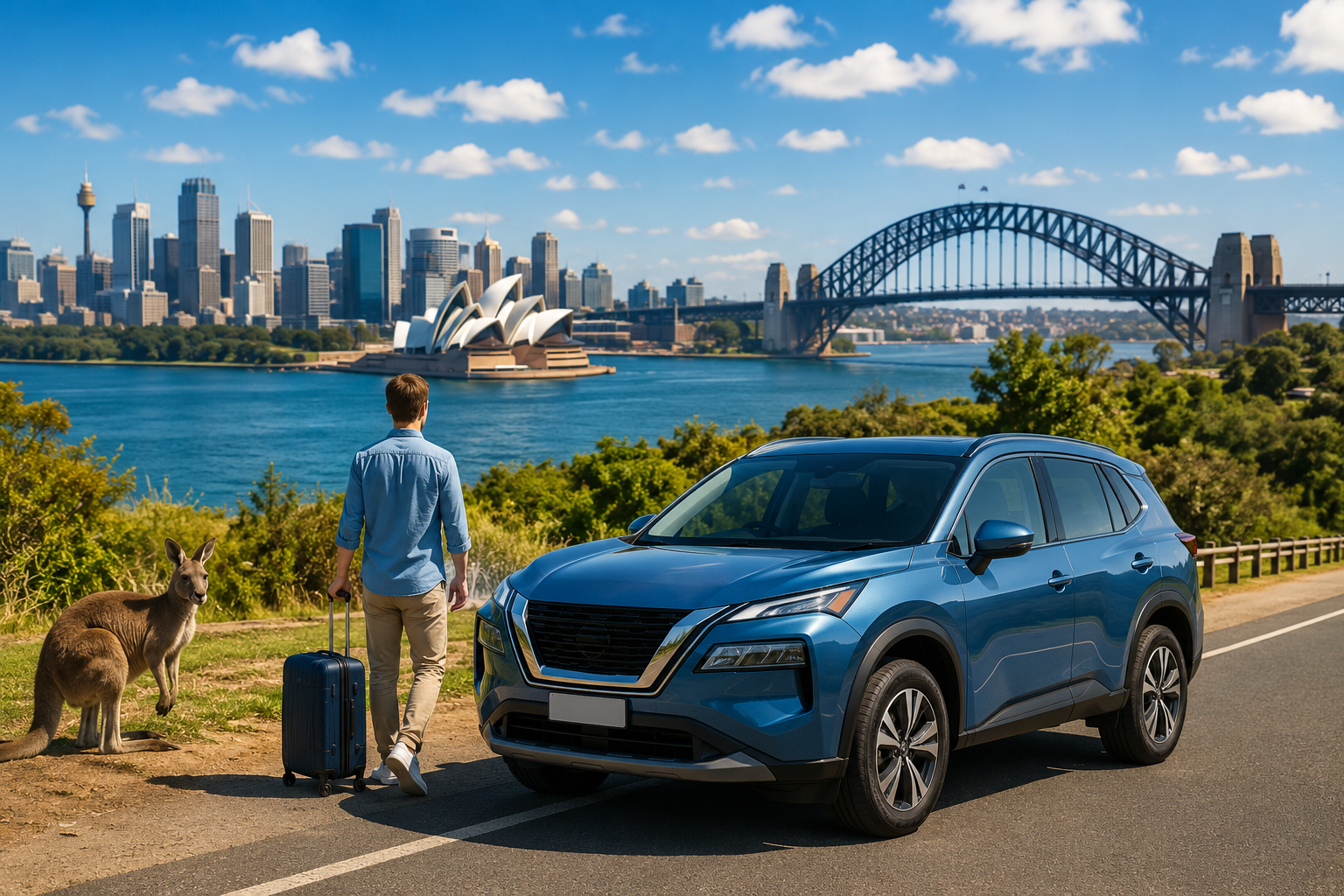
Australia Car Rental Market: A Complete Overview for Car Rental Businesses
The Australia car rental market continues to evolve as travellers, businesses, and local operators adapt to changing customer expectations. Demand for flexible transport, airport pickups, long-term rentals, and digital booking platforms has created new opportunities for rental companies across the country. For car rental businesses, understanding market trends and customer behaviour is no longer optional it is essential for growth.
Australia’s vast geography plays a major role in shaping the industry. A visitor landing in Sydney may need a compact car for city driving, while a family exploring Western Australia could be looking for an SUV or a people mover. The result is a diverse market that serves tourists, corporate travellers, students, and local residents alike.
Understanding the Australia Car Rental Market
The Australian car rental industry covers a wide range of services, including short-term rentals, long-term hire, airport car rentals, luxury vehicle hire, commercial vans, and subscription-style services.
Large operators remain important players, but local businesses have carved out their own space by offering competitive prices and personalised service. Many customers now compare several companies before booking, often using online marketplaces and comparison platforms.
Several factors continue to influence the Australia car rental market:
- Growth in domestic tourism.
- Recovery in international travel.
- Demand for flexible transportation.
- Expansion of online booking platforms.
- Rising interest in long-term rentals.
- Increasing popularity of electric and hybrid vehicles.
For rental businesses, these changes present both opportunities and challenges.
Who Uses Car Rental Services in Australia?
The modern customer base extends far beyond holidaymakers.
Tourists and Holiday Travellers
Australia attracts millions of visitors each year. Many travellers rent cars to explore destinations such as the Great Ocean Road, the Gold Coast, the Blue Mountains, and Tasmania. Public transport works well in cities, but road trips remain a favourite Australian tradition.
Business Travellers
Corporate clients often require reliable transport for meetings, conferences, and interstate projects. These customers usually prioritise convenience, flexible booking options, and quick airport pickups.
International Students
Australia hosts a large international student community. Some students choose long-term rentals instead of purchasing a vehicle, particularly during internships or temporary work placements.
Families and Local Residents
Families frequently rent larger vehicles for holidays, relocations, and special events. A seven-seater people mover often becomes the hero of family trips—especially when luggage, sports gear, and children all need space.
Major Trends Shaping the Industry
The Australia car rental market does not stand still. Customer preferences continue to shift, creating new business opportunities.
Long-Term Rentals Are Growing
Weekly and monthly rentals have become increasingly popular. Customers relocating for work or staying in Australia for extended periods often prefer renting over ownership.
Long-term rental packages also help businesses improve vehicle utilisation and generate predictable revenue.
Online Booking Has Become Standard
Most customers now expect to compare prices, browse vehicles, and make bookings online. Mobile-friendly websites, fast response times, and clear pricing play a major role in customer decisions.
A slow booking process can drive customers away faster than an empty fuel tank.
Electric and Hybrid Vehicles Are Gaining Attention
Australia's transition to cleaner transport continues to influence fleet decisions. While petrol vehicles still dominate, some rental operators have started adding electric and hybrid options.
Government policies and expanding charging infrastructure may increase demand in the coming years.
Popular Vehicle Categories in Australia
Different travellers need different vehicles. Successful rental businesses often maintain a balanced fleet.
Popular categories include:
- Compact hatchbacks for city travel.
- Sedans for business use.
- SUVs for families and road trips.
- Luxury vehicles for special occasions.
- Vans and utes for commercial customers.
- People movers for larger groups.
Fleet diversity helps operators attract a wider customer base and reduce seasonal fluctuations.
Challenges Facing Car Rental Businesses
Despite its opportunities, the Australia car rental market faces several challenges.
Rising Operating Costs
Fuel prices, insurance costs, maintenance expenses, and vehicle replacement costs continue to affect profitability.
Competition
Large international brands compete alongside local operators and online marketplaces. Standing out requires strong customer service and transparent pricing.
Seasonal Demand
Tourist destinations experience busy and quiet periods throughout the year. Rental businesses need flexible strategies to manage fleet availability and pricing.
Customer Expectations
Modern customers expect instant communication, digital bookings, and simple rental policies. Businesses that fail to adapt may struggle to retain customers.
Opportunities for Local Operators
Local businesses remain an important part of the Australian rental ecosystem. Their ability to provide personalised service often gives them an advantage over larger competitors.
Several strategies can help smaller operators succeed:
- Offer flexible rental periods.
- Invest in a user-friendly website.
- Build strong customer relationships.
- Expand airport pickup options.
- Maintain transparent pricing.
- Encourage customer reviews.
Many travellers value convenience and trust just as much as price.
The Future of the Australia Car Rental Market
The future of the Australia car rental market will likely be shaped by technology, changing travel habits, and customer demand for flexibility.
Online marketplaces continue to simplify vehicle discovery, while digital contracts and contactless pickup options improve convenience. At the same time, interest in long-term rentals and sustainable transport is expected to grow.
For rental businesses, the key to success lies in understanding customer needs and adapting to market changes. Companies that combine competitive pricing, reliable vehicles, and excellent service will be well positioned for the years ahead.
The Australian car rental industry has always been about freedom—the freedom to explore, work, and travel. For businesses willing to evolve, that journey is only getting started.