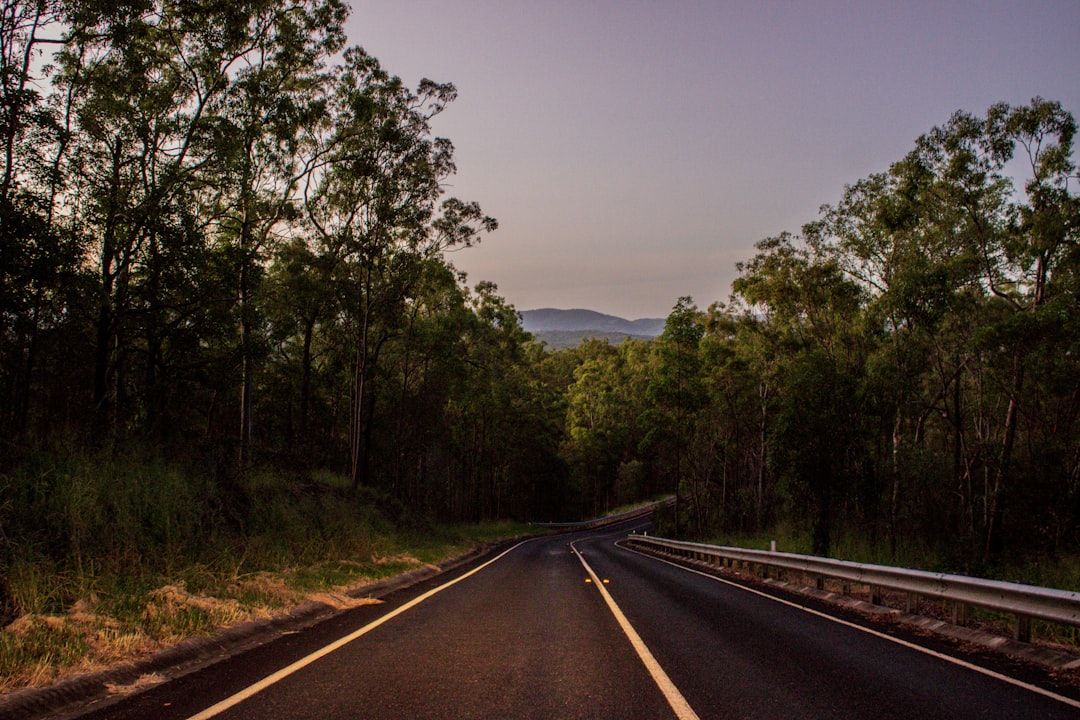
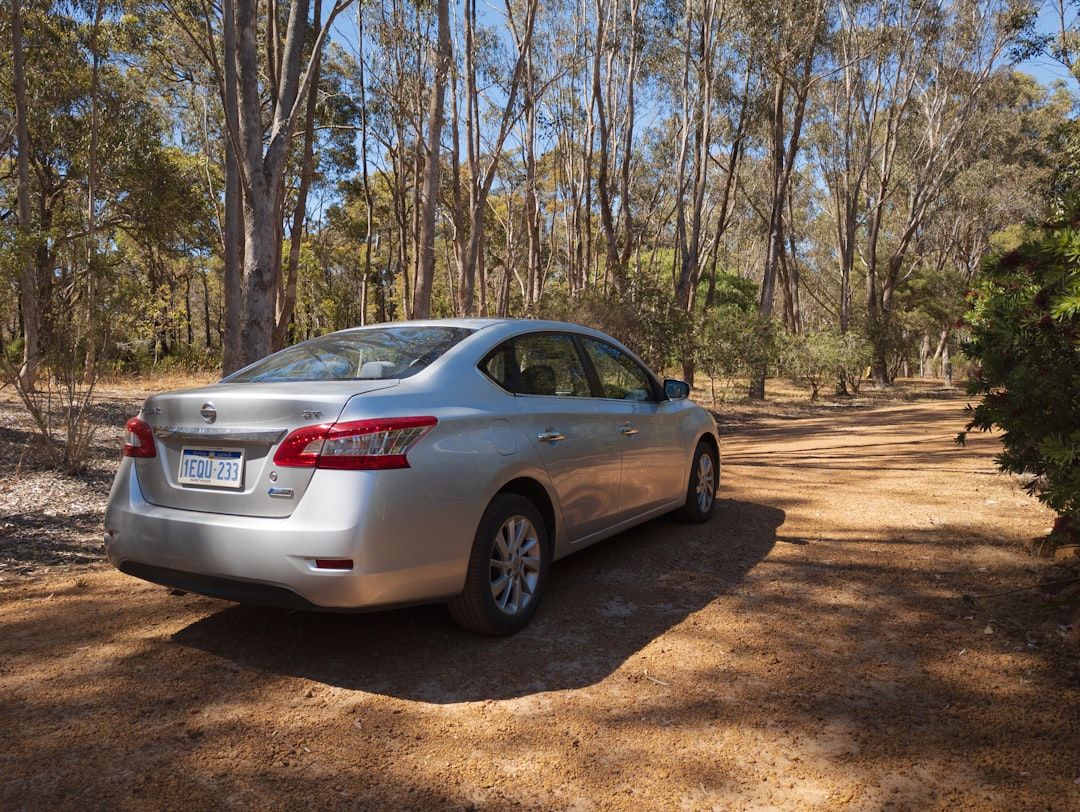
Why Explore the Outback in a Rental Car?
Australia's vast and breathtaking outback calls to adventurers, promising landscapes unlike anywhere else on Earth. Exploring this ancient land by road offers unparalleled freedom, but tackling it in a rental car demands careful planning, the right vehicle, and an understanding of unique challenges. Hire Car Marketplace ensures your outback journey is safe and memorable. This guide provides essential tips for rental car travellers, ensuring you're prepared for outback driving Australia.
A rental car provides incredible flexibility to explore the outback at your own pace, deviating from tourist trails and immersing yourself in remote beauty. It saves wear on your personal vehicle and offers access to well-maintained options. Whether a grand tour or a shorter foray, a rental from Hire Car Marketplace unlocks Australia's interior. Browse our range of rental cars to find your perfect companion.
Choosing the Right Rental Car for Outback Driving
Selecting the appropriate vehicle is arguably the most critical decision for your outback trip. The 'outback' itself covers a huge range of terrains, from well-maintained sealed highways to rugged, unsealed 4WD tracks.
4WD vs. 2WD: What You Need to Know
Vehicle selection is critical. While robust 2WD SUVs can handle popular, well-graded unsealed routes, remote areas, challenging unsealed roads, or river crossings demand a 4WD. A 4WD offers superior traction, ground clearance, and durability. Always verify rental policies for 4WD use. Consider an SUV hire for varied terrain capability.
Essential Vehicle Features
Beyond 4WD, look for high ground clearance to prevent damage from rocks and uneven surfaces. Robust all-terrain tyres and at least one (preferably two) full-sized spare tyres with changing tools are crucial. Reliable air conditioning is a necessity, not a luxury, in the scorching outback heat. Ensure ample fuel tank capacity or permission to carry extra fuel in jerry cans.
| Car Type | Typical Use | Outback Suitability |
|---|---|---|
| Sedan | Sealed roads, urban driving | Limited to major sealed highways only |
| SUV (2WD) | Sealed roads, well-maintained unsealed roads | Suitable for accessible outback routes with good, dry road conditions |
| SUV (4WD) | Sealed roads, unsealed roads, light off-road | Good for most outback adventures, including some remote tracks |
| Ute (4WD) | Heavy duty, off-road, carrying gear | Excellent for challenging 4WD tracks and extended expeditions. Consider a ute hire for maximum utility. |
Planning Your Outback Adventure
Thorough planning is the cornerstone of a successful and safe outback trip. Don't underestimate the distances, the isolation, or the environmental conditions.
Research Your Route Thoroughly
Meticulously plan your route. Check current road conditions with local authorities (e.g., state road agencies, national park services), especially during the wet season when many roads become impassable. Map out fuel stops, accommodation options, and emergency services. Understand mobile phone reception is often non-existent outside of major towns; rely on physical maps and satellite communication. Research specific car hire locations for your journey's start and end points.
Inform Someone of Your Itinerary
Always tell a trusted friend or family member your detailed itinerary, including your planned route, estimated arrival times, and when you expect to be out of contact. Establish a 'check-in' schedule. If you fail to check in, they'll know to raise the alarm. This simple step can be a lifesaver in remote areas.
Essential Supplies Checklist
Your vehicle is your lifeline, but so are the supplies you carry. Pack ample water (at least 7-10 litres per person per day, plus extra for emergencies), non-perishable food, and a comprehensive first-aid kit. A satellite phone or a Personal Locator Beacon (PLB/EPIRB) is vital for emergency communication. Good quality paper maps (like a Hema map) are essential where GPS can be unreliable or lack detail for remote tracks. Include a torch, basic tools, and insect repellent.

On the Road: Outback Driving Safety Tips
Once you're out there, vigilance and common sense are your best friends.
Wildlife Hazards
Australia's outback teems with wildlife. Kangaroos, wallabies, emus, and even cattle can appear suddenly on roads, especially at dawn, dusk, and night. Avoid driving during these times if possible. If you must, reduce your speed significantly. Hitting an animal can cause serious damage to your rental car and potentially injure you. If an animal is on the road, slow down and wait for it to move, or pass carefully if safe.
Road Conditions and Hazards
Be prepared for rapidly changing road conditions. Unsealed roads can vary from smooth gravel to heavily corrugated tracks that shake your vehicle to its core. Reduce your speed on corrugations to maintain control and prevent vehicle damage. Dust kicked up by other vehicles can severely reduce visibility; slow down and wait for it to clear. Watch out for washouts, potholes, and unexpected dips, especially after rain. If you encounter a flooded creek crossing, assess its depth and current carefully – 'if it's flooded, forget it' is a golden rule.
Fuel Management
Fuel stops can be hundreds of kilometres apart. Always fill up your tank whenever you have the opportunity, even if it's only half-empty. Carry extra fuel in approved jerry cans if your route requires it, but check your rental agreement regarding carrying fuel. Running out of fuel in the middle of nowhere is a serious predicament.
Heat and Hydration
The outback can reach extreme temperatures. Stay hydrated by drinking plenty of water, even if you don't feel thirsty. Wear lightweight, loose-fitting clothing, a wide-brimmed hat, and sunscreen. Recognise the signs of heatstroke (headache, dizziness, nausea, confusion) and seek shade and hydration immediately.
What to Do in an Emergency
In the event of a breakdown or accident, the most important rule is to stay with your vehicle. Your car offers shade, shelter, and is easier for rescuers to spot than a person. Use your satellite phone or EPIRB to signal for help. If you have no communication, activate your vehicle's hazard lights and wait. Do not attempt to walk for help unless you are absolutely certain of your location, distance to assistance, and have sufficient water and supplies.
Rental Car Specifics for the Outback
Your rental agreement is more than just paperwork; it's your contract for safe travel.
Understanding Your Rental Agreement
Before heading into the outback, meticulously read your rental car agreement. Pay close attention to clauses regarding driving on unsealed roads, geographical restrictions (some companies prohibit driving on certain remote tracks), and what constitutes an insurable event. Many standard insurance policies might not cover damage incurred on unsealed roads or in remote areas. Discuss additional insurance options or damage waivers with your provider. Understanding the pricing and terms upfront can save you significant headaches and costs later.
Pre-Trip Vehicle Inspection
Before leaving the rental depot, perform a thorough inspection of your vehicle. Check all tyres (including spares) for pressure and condition, ensure all lights are working, and confirm fluid levels (oil, coolant, windscreen washer). Familiarise yourself with the location of the spare tyre, jack, and basic tools. Report any pre-existing damage to the rental company before you depart.
| Item | Importance | Notes |
|---|---|---|
| Extra Water | Critical for survival | Minimum 7-10 litres per person per day plus emergency supply |
| Extra Fuel (Jerry Can) | Essential for long stretches | Only if permitted by rental company and stored safely |
| Spare Tyre(s) | High necessity | At least one, preferably two, full-sized spares and changing tools |
| First-Aid Kit | Medical emergencies | Comprehensive kit, including snake bite bandage and any personal medications |
| Satellite Phone/EPIRB | Emergency communication | Lifesaving in areas without mobile reception |
| UHF Radio | Vehicle-to-vehicle communication | Useful for convoy driving and communicating with road trains |
| Basic Tool Kit | Minor repairs | Wrench, screwdriver, tyre gauge, duct tape, jumper cables |
| High-Quality Maps | Navigation | Paper maps (e.g., Hema) for areas without GPS signal |

Ready for Your Outback Adventure?
Driving through the Australian outback is an experience that will stay with you forever. The sheer scale, unique wildlife, and profound silence offer a profound connection to nature. By choosing the right rental car and meticulously preparing for your journey, you can confidently navigate this incredible landscape. Don't let the vastness deter you; embrace the adventure with our outback driving Australia tips. Ready to start planning your epic Australian road trip? Explore the diverse range of rental cars available at Hire Car Marketplace and find the perfect vehicle for your outback adventure today!